Transformer Automated Assembly Line
– An intelligent production system integrating industrial robots, automated conveying, and precision sensing technologies
1. Overview
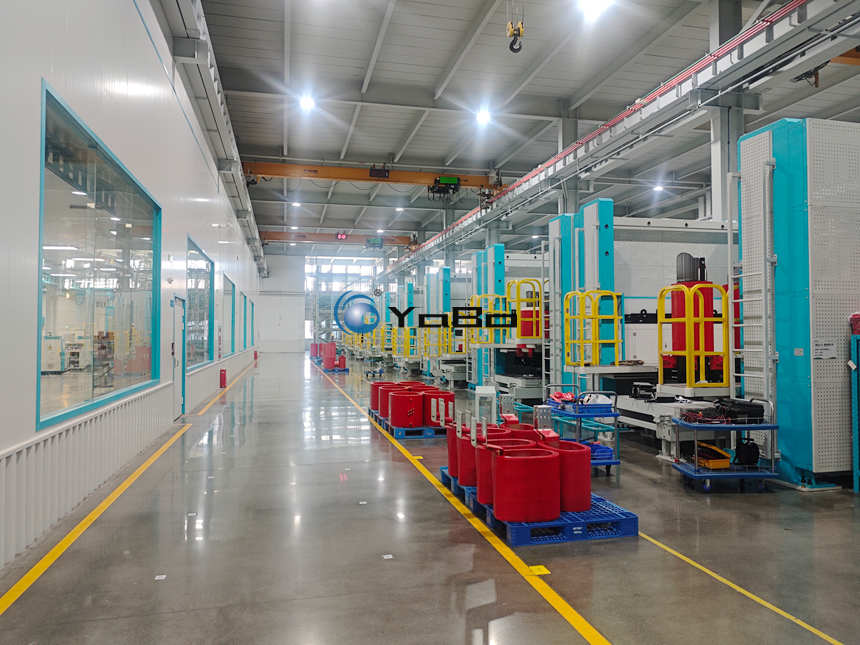
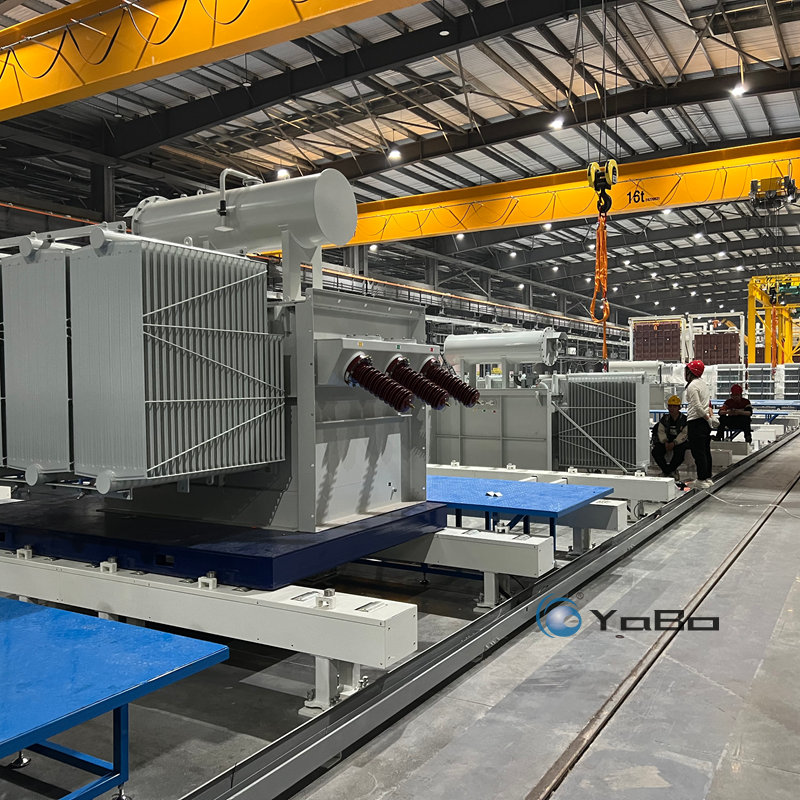
The transformer automated assembly line is a production system that integrates industrial robots, automated conveying, and precision sensing technologies to automate the entire transformer assembly process. Its core purpose is to replace manual tasks such as core stacking, coil winding, component assembly, and precision testing, achieving a dual leap in efficiency and quality.
2. Five Key Steps for Achieving Automated Assembly
- Process Deconstruction and Workflow Design
- Conduct a detailed analysis of traditional assembly processes and break them down into standardized steps executable by machines.
- Define the sequence, process parameters, and material supply plan.
- Precise Selection of Automated Equipment
- Based on the process flow, configure hardware such as robots, AGVs, automatic fastening machines, machine vision systems, and force control sensors.
- Ensure that high-precision and high-stability assembly requirements are met.
- System Integration and Production Line Construction
- Integrate equipment, electrical systems, and control software (PLC/SCADA/MES) to build the physical production line.
- Complete logic programming, joint debugging, and testing to ensure seamless coordination across the entire process.
- Data Acquisition and Process Monitoring
- Use sensors to collect real-time data on assembly cycle time, torque, displacement, and visual inspection results.
- Provide a foundation for production status monitoring and issue tracing.
- Continuous Optimization and Intelligent Iteration
- Analyze data to identify bottlenecks and deviations.
- Iteratively optimize equipment parameters, process flows, and logistics scheduling to continuously improve assembly efficiency and quality.
3. Core Advantages
- Enhanced EfficiencyAutomated assembly line operations significantly shorten production cycles and increase production capacity.
- Stable QualityEliminate human-related variations, ensure assembly consistency and high precision, and significantly reduce defect rates.
- Cost OptimizationReduce reliance on skilled labor, lower labor costs, and achieve long-term comprehensive cost reductions by minimizing rework and waste.
4. Conclusion
The successful implementation of an automated assembly line is a critical pathway for enterprises to achieve intelligent transformation. Enterprises should consider their product structure and investment planning, design rationally, and implement in phases, ultimately achieving significant improvements in production efficiency and market competitiveness.